
OPERATE · Managed Infrastructure Security
Your Security Infrastructure, Run and Maintained by Its Engineers.
We operate and maintain firewalls, gateways, secure access and network security controls on your behalf.
- Controls that stay effective
- Reduced configuration drift
- Freed internal capacity
- 1Discover and Baseline
- 2Stabilize and Harden
- 3Operate and Monitor
- 4Change and Recertify
- 5Report and Improve
Executive Summary
- 01Security devices fail quietly when rules, firmware and logging are left unmanaged.
- 02A controlled rule lifecycle keeps firewall policy small, justified and auditable.
- 03Patching, health monitoring and log forwarding make perimeter devices observable and defensible.
The Challenge
Security infrastructure degrades without care: rules drift, firmware ages and alerts go unreviewed.
Skilled engineers are hard to retain for routine operations.
The DAAKYI Approach
DAAKYI operates your network and infrastructure security controls, manages policy changes and keeps platforms patched and healthy.
Telemetry flows to the SOC for monitoring.
- 01
Policy and rule management
- 02
Platform patching and health
- 03
Secure access operations
- 04
Monthly service reporting
In Depth
How the Discipline Works
Inventory Before Operation
Operating security infrastructure starts with knowing what exists. Every firewall, gateway, VPN concentrator and proxy is recorded with its role, software version, owner and the traffic it protects. Configurations are exported and baselined against a hardening standard such as CIS Benchmarks. Deviations are logged as findings, not silently corrected, so the owner can decide what to accept. This baseline becomes the reference for every later change, audit and incident. Without it, teams argue about what a device was supposed to do. With it, drift becomes measurable, and a rule that nobody can explain becomes visible and open to challenge.
Rule Lifecycle and Change Control
Firewall rule bases decay through accumulation. Temporary exceptions stay permanent, project rules outlive projects, and broad any-to-any entries appear under deadline pressure. A managed lifecycle gives each rule an owner, a business justification and a review date. Changes follow a request, risk review, approval, implementation and verification sequence. Each change has a rollback plan and is tested against the intended traffic flow. Periodic recertification removes shadowed, duplicate and unused rules. The result is a smaller rule base that auditors can read and engineers can reason about, with every alteration traceable to a named approver.
Patching and Telemetry Together
Security platforms are themselves targets. Edge devices such as VPN gateways and firewalls sit on the perimeter and are exposed to the internet, so vendor advisories need fast triage. Patching is planned around maintenance windows, high-availability pairs and tested rollback images. Health monitoring tracks CPU, memory, session tables, certificate expiry, license state and failover status. Logs from every control are forwarded to a central monitoring platform so detections can be correlated across devices. A firewall that is patched but silent is only half managed. The aim is a platform that is current, observable and ready to fail over cleanly.
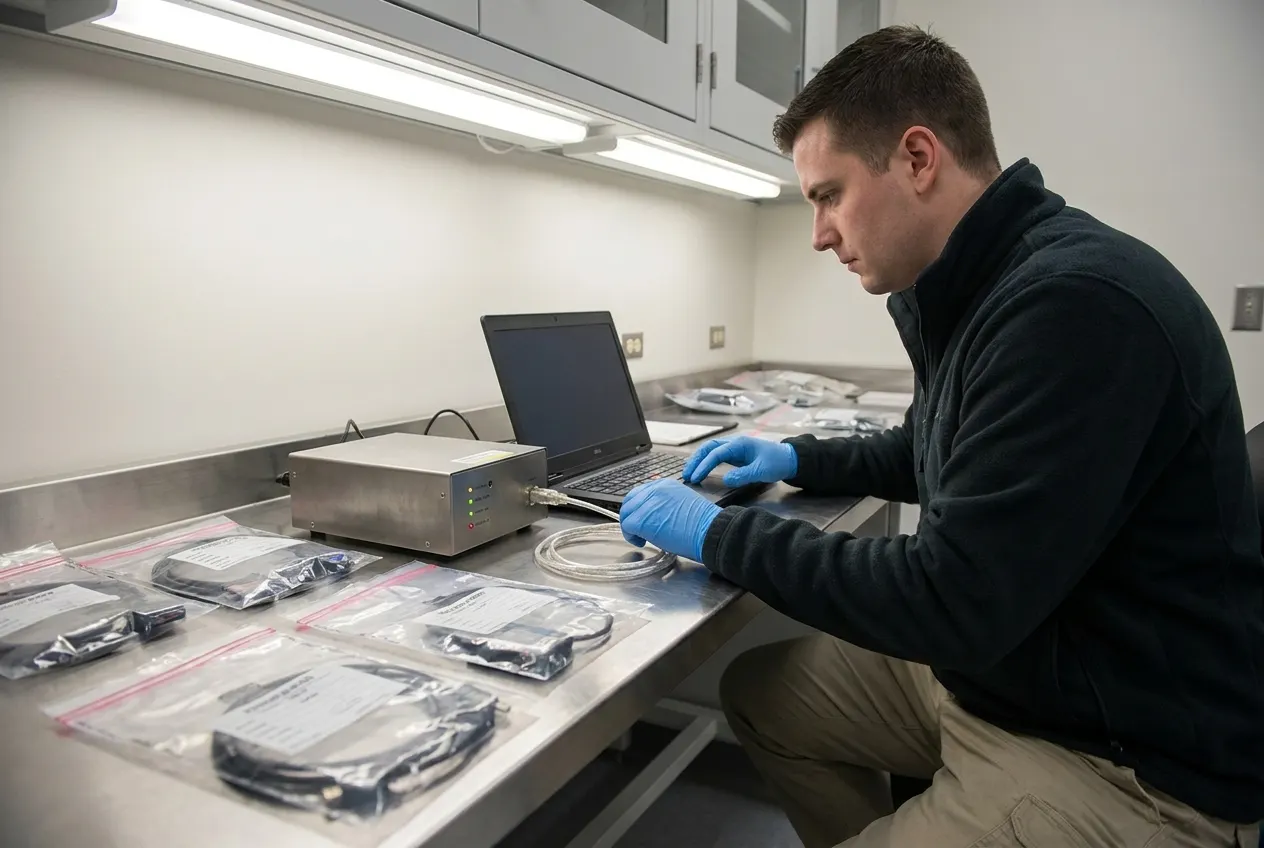
A firewall nobody reviews becomes a record of old decisions, not a control.
Capability Matrix
What the Service Includes
| Capability | Coverage | GUIDE | SECURE | OPERATE | Delivered Through |
|---|---|---|---|---|---|
| Network and Infrastructure Security Operations | Controls run day to day. | – | – | OPERATE stage | Managed Security Services, Long-Term Operations |
| Policy Change Management | Rules changed safely. | – | – | OPERATE stage | Managed Security Services, Long-Term Operations |
| Platform Maintenance | Firmware and health checks. | – | – | OPERATE stage | Managed Security Services, Long-Term Operations |
| Secure Remote Access Operations | Access managed for staff and suppliers. | – | – | OPERATE stage | Managed Security Services, Long-Term Operations |
Network and Infrastructure Security Operations
Controls run day to day.
- Stage
- OPERATE
- Delivered Through
- Managed Security Services, Long-Term Operations
Policy Change Management
Rules changed safely.
- Stage
- OPERATE
- Delivered Through
- Managed Security Services, Long-Term Operations
Platform Maintenance
Firmware and health checks.
- Stage
- OPERATE
- Delivered Through
- Managed Security Services, Long-Term Operations
Secure Remote Access Operations
Access managed for staff and suppliers.
- Stage
- OPERATE
- Delivered Through
- Managed Security Services, Long-Term Operations
How It Works
How Managed Infrastructure Security Works
- 01Operate
- 02Maintain
- 03Change
- 04Report
Methodology
The Method, Step by Step
- 1
Discover and Baseline
Inventory every device, interface, zone and administrative account. Export configurations and compare them to a hardening standard. Record findings, owners and accepted risks. Agree the change process, maintenance windows and escalation contacts before any rule is touched. This prevents surprises and gives later work a fixed starting point.
- 2
Stabilize and Harden
Close the highest-risk gaps first: default credentials, management interfaces exposed to untrusted networks, end-of-support firmware and overly broad rules. Enforce multifactor authentication for administrators and role-based access on consoles. Changes are staged and tested so hardening never becomes an outage. Each fix is recorded against its finding.
- 3
Operate and Monitor
Run daily operations: alert triage on device events, capacity and certificate checks, backup verification and access requests. Forward logs to the monitoring platform. Treat every unexplained configuration change as an event to investigate, because unauthorized change is often the first sign of compromise.
- 4
Change and Recertify
Process requests through approval, implementation and verification. Schedule recurring rule reviews with business owners, who confirm or retire each exception. Retest after major changes. Track expiring exemptions so temporary access ends when intended rather than lingering for years. Every change is closed with evidence of the result.
- 5
Report and Improve
Summarize changes, incidents, patch status, exceptions and recurring faults for both engineers and executives. Use trends to retire weak designs, simplify segmentation and plan lifecycle replacement. Reports should show what changed and why, so audit evidence is a by-product of operations rather than a project.
Operating Model
Delivered from the OPERATE Pillar
Pillar position
OPERATE
Security Operations & Managed Resilience
Engagement model
Managed Security Services
SOC, MXDR and managed cloud security under SLAs.
Best for · 24/7 coverage without building in-house
Engagement model
Long‑Term Operations
Multi-year operations and continuous improvement.
Best for · Critical systems needing sustained assurance
Threat Scenarios
What It Looks Like in Practice
Rule Base Sprawl
How It Shows Up
An audit finds rules with no owner, broad any-to-any entries and exceptions past their expiry.
Response
Recertify each rule with its business owner and remove shadowed and unused entries. Replace broad rules with specific objects.
Exploited Edge Device
How It Shows Up
A vendor advisory names a VPN or firewall vulnerability, or unexpected administrator logins and configuration changes appear.
Response
Triage the advisory against the inventory and patch or mitigate in an emergency window. Review logs and configuration for signs of earlier access.
Supplier Account Misuse
How It Shows Up
A contractor account logs in outside agreed hours or reaches systems beyond its scope.
Response
Limit supplier access to named, time-bound accounts and specific systems. Alert on any use outside the approved pattern.
Failed Failover
How It Shows Up
A device fails and its high-availability peer does not take over, or an expired certificate drops tunnels.
Response
Monitor failover state and certificate expiry continuously. Test failover in planned windows instead of discovering gaps during an outage.
| Scenario | How It Shows Up | Response |
|---|---|---|
| Rule Base Sprawl | An audit finds rules with no owner, broad any-to-any entries and exceptions past their expiry. | Recertify each rule with its business owner and remove shadowed and unused entries. Replace broad rules with specific objects. |
| Exploited Edge Device | A vendor advisory names a VPN or firewall vulnerability, or unexpected administrator logins and configuration changes appear. | Triage the advisory against the inventory and patch or mitigate in an emergency window. Review logs and configuration for signs of earlier access. |
| Supplier Account Misuse | A contractor account logs in outside agreed hours or reaches systems beyond its scope. | Limit supplier access to named, time-bound accounts and specific systems. Alert on any use outside the approved pattern. |
| Failed Failover | A device fails and its high-availability peer does not take over, or an expired certificate drops tunnels. | Monitor failover state and certificate expiry continuously. Test failover in planned windows instead of discovering gaps during an outage. |
Outcomes
What Your Institution Gains
- Controls that stay effective
- Reduced configuration drift
- Freed internal capacity
Deliverables and Roles
What You Receive, and Who Does What
| Deliverable | Purpose |
|---|---|
| Device and Rule Inventory | Records every control, owner and software version as the baseline for change. |
| Configuration Baseline Report | Shows deviations from the hardening standard and the risks accepted. |
| Change Records | Prove each modification was requested, approved, tested and verified. |
| Patch and Health Status Report | Shows firmware currency, end-of-support exposure and platform condition. |
| Access Review Report | Lists staff and supplier accounts with the justification for continued access. |
| Role | Responsibility |
|---|---|
| Client Security Owner | Sets risk appetite, approves exceptions and accepts residual risk. |
| Application or System Owner | Confirms why each rule or access path is needed and when it can be retired. |
| Provider Network Security Engineer | Implements approved changes, applies patches and responds to device alerts. |
| Provider Service Manager | Runs reviews, tracks improvement actions and escalates unresolved risk. |
Maturity Model
Where Organizations Typically Stand
Stage 1
Reactive
Devices are fixed after failure. Rules and firmware are known only to whoever last touched them.
Stage 2
Documented
An inventory and change procedure exist, but reviews are irregular and logging is incomplete.
Stage 3
Controlled
Baselines, owned rules, scheduled patching and forwarded logs are routine, and reports surface exceptions.
Stage 4
Optimizing
Trends drive simpler designs, automated configuration checks and planned lifecycle replacement.
Frameworks and Regulation
The Standards That Shape This Work
CIS Critical Security Controls v8
It includes network infrastructure management, secure configuration of enterprise assets, and network monitoring and defense. These map directly to device hardening, rule management and log forwarding.
PCI DSS v4.0.1
Any environment that handles cardholder data must have its network security controls configured, maintained, and reviewed. The requirements in the standard that had been future-dated became mandatory on March 31, 2025.
ISO/IEC 27001:2022
Annex A technological controls address areas such as network security, network segregation, configuration management, and logging. Implementation guidance for these controls is provided in ISO/IEC 27002:2022.
NIST SP 800-207
Its zero trust architecture guidance informs secure remote access, where each session is evaluated rather than trusted by network location.
Buyer Guidance
Choosing the Right Provider
What to look for
- Look for a provider that requires an onboarding review and baseline before taking operational responsibility.
- Look for change records that name the requester, approver, tester and rollback plan.
- Look for clear limits on who can administer devices and how administrator actions are logged.
- Look for reporting that shows exceptions and aging firmware, not just device uptime.
Questions to ask a provider
- How do you handle emergency patches for exposed edge devices?
- Who owns configuration backups, and can we retrieve them if we leave?
- How are supplier and administrator sessions recorded and reviewed?
- What evidence do you provide to auditors after each change cycle?
Regulatory & Industry Context
The Obligations This Service Supports
Operations support CIS Controls, PCI DSS and ISO/IEC 27001 network security requirements.
Frameworks DAAKYI helps clients implement
- CIS Controls
- PCI DSS
- ISO/IEC 27001
Framework references describe client implementation support, not DAAKYI certifications.
Technical Detail
For Architects and Security Leads
Telemetry sources and partner technologies




Technology partners DAAKYI works with in this area.
Framework and regulatory alignment
- CIS Controls
- PCI DSS
- ISO/IEC 27001
Operations support CIS Controls, PCI DSS and ISO/IEC 27001 network security requirements.
Architecture reference
How Managed Infrastructure Security Works: Operate → Maintain → Change → Report.
DAAKYI operates your network and infrastructure security controls, manages policy changes and keeps platforms patched and healthy.
Firewall Rule Base Analysis
Rule analysis starts with an export of the policy and hit counters. Shadowed rules are those fully matched by an earlier rule, so they never fire. Redundant rules duplicate another rule's effect. Unused rules show zero hits across a defined observation period, though seasonal traffic such as year-end processing must be considered before removal. Overly permissive rules use any in source, destination or service. Engineers map each rule to an application owner, then replace broad entries with specific objects and groups. Logging is enabled on deny and on sensitive allow rules. Changes are staged in a test or candidate policy, then pushed within a window with the previous version saved for rollback.
Secure Remote Access Architecture
Remote access for staff and suppliers should not give a flat network connection. Staff typically authenticate through multifactor authentication tied to the identity provider, with device posture checks before a tunnel or application session is granted. Supplier access is different: accounts are individually named, time-bound, limited to specific systems and recorded where the platform supports session recording. Zero trust principles, described in NIST SP 800-207, favor per-session decisions over network location. Administrative paths to firewalls and gateways run through a separate management network or jump host. Account reviews remove dormant identities, and certificate and key lifecycles are tracked so expiry never causes an unplanned outage.
Glossary
Key Terms
- Configuration Drift
- The gradual divergence of a device's live settings from its approved baseline.
- Shadowed Rule
- A firewall rule fully matched by an earlier rule, so it never takes effect.
- Change Window
- An agreed period in which approved changes may be applied with minimal business impact.
- Jump Host
- A hardened intermediary system through which administrators reach management interfaces.
Related
Explore Connected Capabilities
Proof Points
What We Can Stand Behind
- Every stage of DAAKYI's delivery methodology produces documented, auditable deliverables.
Technology partners
FAQ
Questions Leaders Ask
DAAKYI Intelligence
Ask Kasara About Managed Infrastructure Security
Kasara, our AI assistant, answers from DAAKYI's published content and can connect you with a specialist.

Next Step
Discuss Managed Infrastructure Security with DAAKYI
Tell us about your environment and obligations. A DAAKYI specialist for Managed Infrastructure Security will respond.
Discuss Managed SOC Services